Science, stories, and the extraordinary ingredients that grow in the hills of Northeast India.
Most supermarket turmeric contains 2–3% curcumin. Lakadong, grown exclusively in the hills of Meghalaya, consistently tests at 6.8–7.5%. We break down the science, the soil conditions, and why this single ingredient is being studied by researchers worldwide.
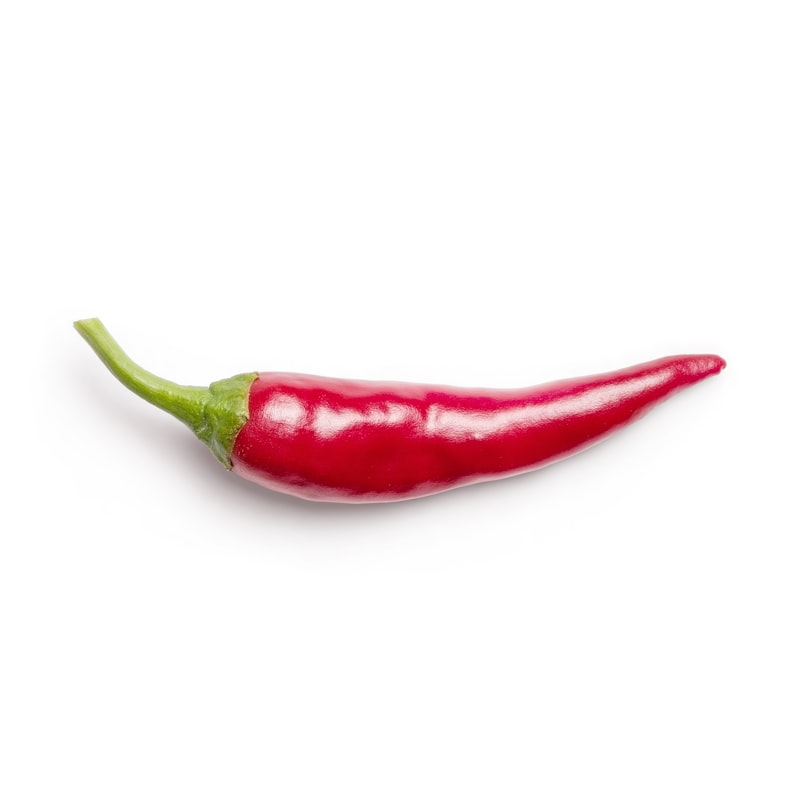
Once certified by Guinness as the world's hottest chilli with over 1 million Scoville units, the Bhoot Jolokia from Nagaland is far more than a heat challenge. Capsaicin research links it to pain relief, metabolism boost, and cardiovascular health.
Black rice — once reserved for Chinese emperors — contains more antioxidants per serving than blueberries. A head-to-head comparison of glycemic index, anthocyanin content, fibre, and micronutrients across all three varieties.
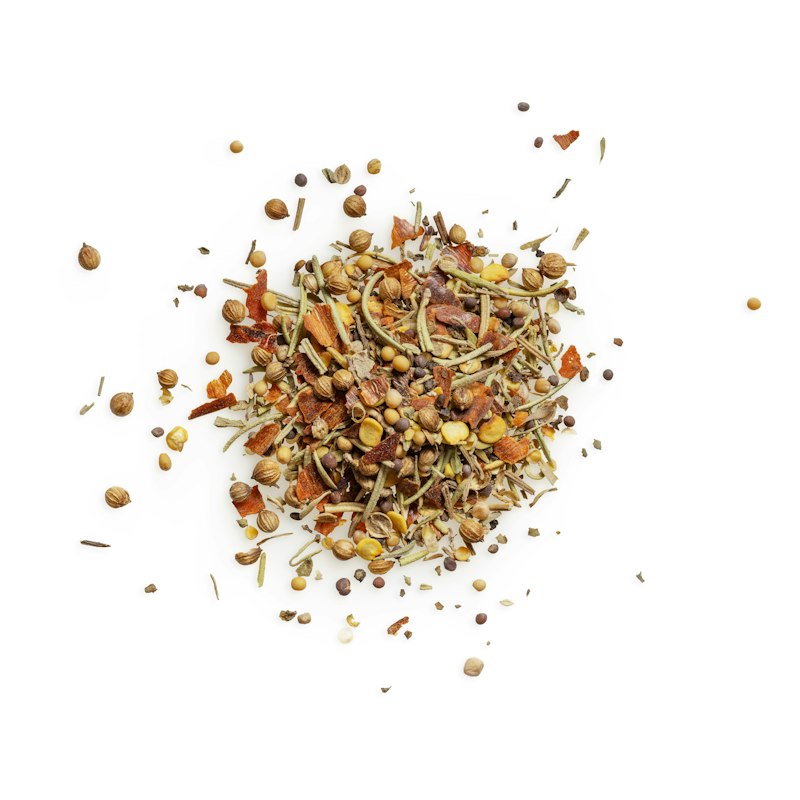
The global spice trade is dominated by commodity products — blended, irradiated, and stored for months before reaching shelves. We explain the difference between single-origin, small-batch organic spices.
Cardamom, cinnamon, ginger, clove, black pepper — each ingredient in traditional chai has centuries of Ayurvedic use backed by modern clinical research.
Most spice brands have no idea which farm their products came from. A behind-the-scenes look at how we build relationships with indigenous farming communities across Assam, Meghalaya, Nagaland, and Manipur.