Blogs/Spices

Chai Spice Benefits: The Ayurvedic Science Behind India's Most Beloved Morning Ritual

February 20, 2026·6 min read
Chai Spice Benefits: The Ayurvedic Science Behind India's Most Beloved Morning Ritual

Masala chai is not simply a flavoured beverage. It is a pharmaceutical delivery system that predates modern pharmacology by at least 3,000 years. The specific combination of spices used in traditional chai — cardamom, cinnamon, ginger, clove, black pepper — was not arrived at arbitrarily. Each ingredient was selected by Ayurvedic physicians for its specific action on the body, and the combination creates synergistic effects that modern research is only beginning to quantify.

Cardamom: The Queen of Spices

Elettaria cardamomum contains 1,8-cineole (eucalyptol), a compound with documented bronchodilatory and antimicrobial properties. A 2017 randomised controlled trial published in the Journal of Ethnopharmacology found that cardamom supplementation significantly reduced systolic and diastolic blood pressure in stage 1 hypertensive patients after 12 weeks. In Ayurveda, cardamom (Ela) is classified as a Tridoshic spice — balancing all three doshas — and is specifically prescribed for digestive complaints and respiratory conditions.

Cinnamon: Blood Sugar Regulation

Ceylon cinnamon (Cinnamomum verum) contains cinnamaldehyde and procyanidins that have been shown in multiple clinical trials to improve insulin sensitivity and reduce fasting blood glucose levels. A 2013 systematic review in the Annals of Family Medicine analysed 10 randomised controlled trials and found that cinnamon was associated with a statistically significant decrease in fasting plasma glucose. The key distinction is Ceylon cinnamon versus Cassia cinnamon — the latter contains higher levels of coumarin, which can be hepatotoxic at high doses.

Ginger and Black Pepper: The Bioavailability Enhancers

Gingerols and shogaols in ginger have well-documented anti-nausea, anti-inflammatory, and gastroprotective effects. But perhaps the most pharmacologically significant component of traditional chai is black pepper. Piperine — the alkaloid responsible for pepper's heat — has been shown to increase the bioavailability of multiple compounds including curcumin (by 2000%), certain B vitamins, and selenium. In Ayurvedic formulation, black pepper is referred to as a 'yogavahi' — a substance that enhances the penetration and efficacy of other medicines.

Clove: The Antioxidant Champion

Cloves have the highest ORAC (Oxygen Radical Absorbance Capacity) value of any food tested — approximately 290,000 μmol TE/100g, compared to blueberries at approximately 9,000. The primary active compound, eugenol, has demonstrated anti-inflammatory effects comparable to aspirin in in vitro studies, as well as antimicrobial activity against a broad spectrum of pathogens. In traditional chai, cloves also contribute to the preservation of the other spice components.

The Laahé Chai Spice

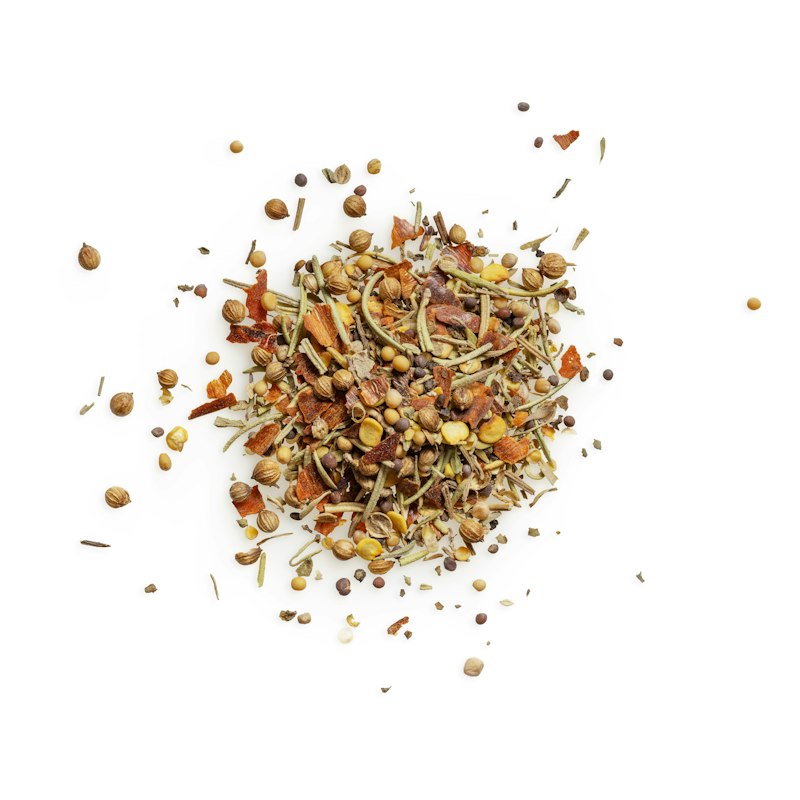
Our Chai Spice blend is formulated using the traditional North Indian masala chai recipe as its foundation, with specific ratios developed over multiple iterations to balance the therapeutic properties of each component with the sensory experience. Every ingredient is sourced from Northeast India — including our cinnamon from Assam and our black pepper from Meghalaya. It is designed to be used daily, because the benefits of these compounds are cumulative and dose-dependent.